Calgary Top Landscaping Company for Beautiful Outdoor Spaces
Calgary Top Landscaping Company for Beautiful Outdoor Spaces
Blog Article
Revamp Your Outdoor Area Using Skilled Landscaping Services
Transforming outdoor spaces through professional landscaping services can greatly enhance both visual appeal and practical use. Skilled landscapers assess individual properties, customizing plans to suit particular environmental factors and ground composition. They blend a combination of vegetation and structural features to create inviting areas. This thoughtful approach not only increases home worth but also reduces upkeep requirements. Understanding the key elements of effective landscape design is vital for property owners looking to enhance their exterior enjoyment. What actions should they pursue forward?
The Advantages of Expert Landscaping Solutions
Professional landscape design solutions convert outdoor spaces into practical and visually attractive environments. These services offer a variety of view this advantages that go beyond mere appearance. One important benefit is the improvement of property value; expertly crafted outdoor designs can significantly increase a home's market appeal. Additionally, professional landscapers possess the expertise to choose appropriate plants and materials customized for specific climates and soil types, ensuring sustainability and longevity.
Additionally, these services can elevate outdoor capability, developing spaces for rest, amusement, or activities. By purposefully organizing layouts, landscaping professionals optimize the use of space while integrating elements like pathways, patios, and flower beds.
Furthermore, contracting specialists can save homeowners time and effort, easing the strain of planning and maintenance. This permits individuals to savor their garden areas without the stress of perpetual maintenance. Ultimately, professional landscaping services establish atmospheres that enhance both the visual appeal and practical use of outdoor areas.
Key Components for a Accomplished Landscape Design
A thriving landscape design is characterized by several key features that add to both practicality and aesthetic beauty. First, a carefully planned arrangement maximizes space, ensuring ease of movement while establishing distinct areas for leisure and social gatherings. Second, the incorporation of hardscape features, such as pathways, patios, and retaining walls, provides organization and longevity to the design. Third, proper drainage systems are critical to avoid water accumulation and protect plant health.
Additionally, the use of centerpieces, like sculptures or fountains, draws the eye and improves aesthetic interest. Lighting plays an important role as well, illuminating walkways and accentuating key garden features, thereby prolonging usability into the night time. Finally, a balanced vegetation choice, which accounts for seasonal changes, promotes biodiversity and sustains native creatures. Together, these elements establish a cohesive and welcoming garden area that expresses the property owner's character while meeting practical needs.
How can homeowners choose the best plants for their yards? First, understanding the local climate is vital; plants should grow well in the specific temperature and rainfall conditions of the area. Next, evaluating sunlight exposure helps figure out whether to choose shade-loving or sun-loving varieties. Soil type also plays a significant role; testing soil pH and texture confirms compatibility with selected plants.
Property owners should assess the yard's dimensions and configuration, selecting plants that suit the space without overcrowding. Additionally, opting for local species can strengthen local biodiversity while requiring less maintenance.
Finally, considering personal preferences—such as hue, feel, and seasonal appeal—will help create a aesthetically pleasing landscape. A well-thought-out blend of these factors ultimately results in a vibrant and harmonious outdoor environment that showcases the homeowner's style while being eco-friendly and easy to maintain.
Maximizing Utility With Hard Landscaping
Hardscaping plays an important role in improving outdoor living spaces by supplying functional areas for relaxation and entertainment. It also facilitates the creation of pathways and patios, guiding movement and adding structure to the landscape. Additionally, well-designed hardscaping can improve drainage and minimize soil degradation, contributing to the overall health of the yard.
Optimizing Outdoor Living Areas
Updating external living areas significantly enhances their usefulness, creating pleasant areas for recreation and hosting. Effective hardscaping elements, including retaining walls, outdoor kitchens, and fire pits, can greatly elevate these spaces. Incorporating robust materials like stone, brick, or pavers helps homeowners achieve a balanced aesthetic that enhances nature while delivering useful functions. These features not only define areas for social gatherings but also improve accessibility and organization within the outdoor environment. Furthermore, strategically placed seating arrangements can promote conversation and instill a sense of intimacy. In conclusion, a carefully arranged outdoor living space maximizes enjoyment by merging comfort with utility, making it an fundamental element of modern home landscaping.
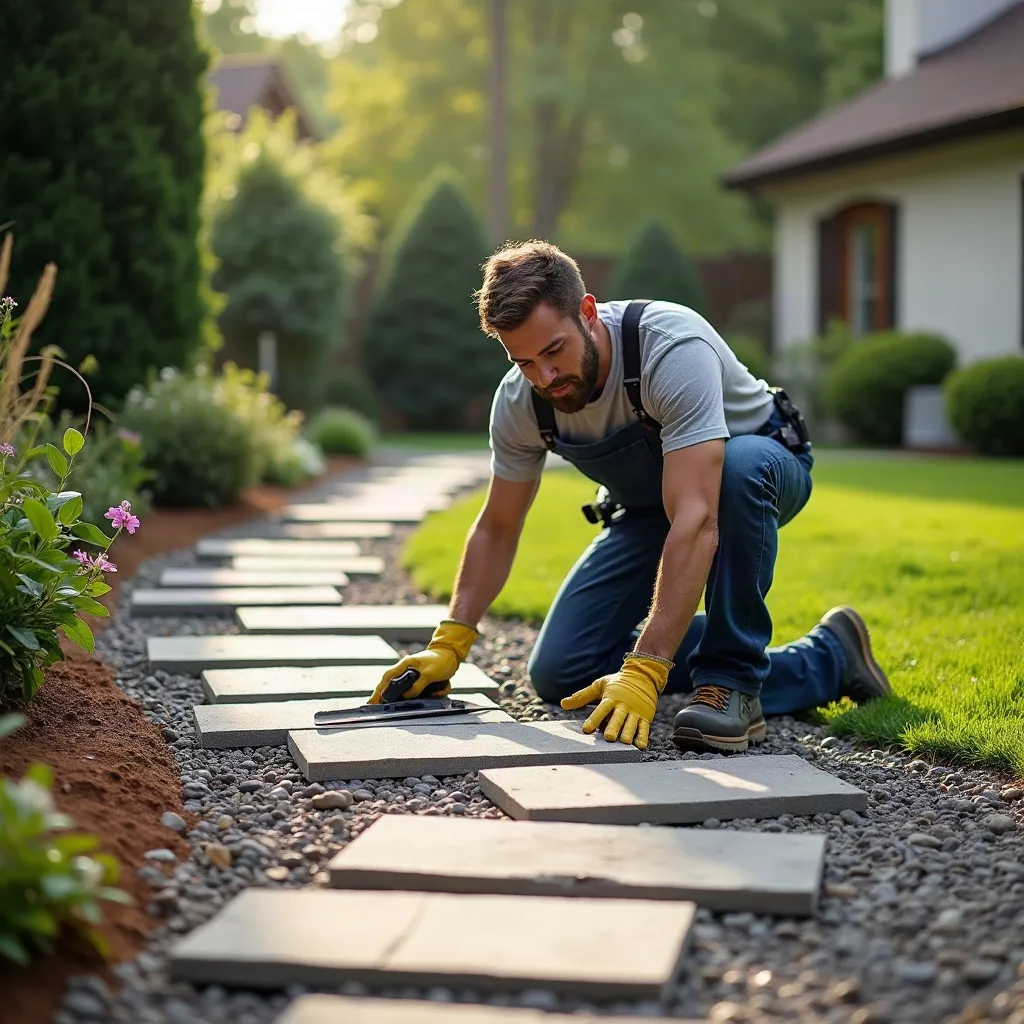
Constructing Passages And Patios
A range of carefully designed pathways and outdoor living areas can substantially elevate yard usability and visual appeal. These landscape features function as important links between multiple sections of a yard, providing clear navigation while creating spaces for relaxation and entertaining. Outdoor patios make inviting areas for exterior events, equipped to house furniture and entertaining. Walkways, crafted from materials like stone, brick, or concrete, both direct foot traffic but also contribute to the overall design theme of the outdoor area. Incorporating curves and arcs and varying widths can introduce visual interest, making the outdoor space more attractive. When expertly placed, pathways and patios integrate seamlessly with the natural surroundings, boosting both practicality and aesthetic value in any external environment.
Boosting Moisture Removal And Ground Loss
Enhancing outdoor spaces goes beyond aesthetics; it also involves addressing practical concerns like drainage and erosion. Effective landscaping integrates hardscaping elements such as retaining walls, gravel pathways, and permeable pavements, which help manage water flow and minimize soil erosion. By strategically placing these features, homeowners can redirect surplus rainwater away from vulnerable areas, safeguarding both plants and structures.
Furthermore, adding French drains or swales can greatly improve drainage by directing water to designated areas. These approaches not only prevent damage but also improve the overall functionality and longevity of the landscape. Ultimately, professional landscaping services provide expertise in executing these hardscaping techniques, guaranteeing a stable and robust outdoor environment that endures the challenges of nature.
Seasonal Upkeep Pointers for Your Landscape
Effective seasonal work is necessary for protecting the beauty and health of any outdoor setting. Property owners should undertake specific tasks throughout the entire season to ensure their outdoor spaces thrive. In spring, the focus should be on eliminating dead matter, ventilating earth, and adding soil amendments to foster development. Summer maintenance encompasses frequent watering, protective ground covering, and pruning to promote healthy plant development while preventing disease.
As autumn takes hold, it's critical to collect debris, prepare garden beds for the dormant season, and cultivate perennials for future development. Winter preservation may feature defending delicate plants using mulch or fabric, facilitating adequate drainage, and examining hardscapes for freeze damage. By honoring these seasonal maintenance tips, residents can enhance their outdoor spaces' durability and visual allure, crafting a vibrant outdoor setting perpetually.
What to Inquire When Choosing a Landscaping Business?
When picking a landscape company, what key inquiries should homeowners consider to make sure they choose thoughtfully? First, they should ask about the firm's experience and knowledge in the particular landscaping style desired. Understanding their approach to design and past projects can provide valuable information.
Next, property owners should ask about proper licensing and adequate insurance to verify compliance with local regulations and protection against potential liabilities. A comprehensive quote is vital, so requesting a breakdown of costs will help avoid unforeseen charges.
Examining the timeline for project completion and care solutions is also fundamental, as it impacts enduring satisfaction. Additionally, residents should examine the types of materials and plants the company utilizes, confirming they align with personal preferences and environmental sustainability. Finally, examining testimonials and asking for references can deliver confidence about the service's reliability and quality.
Standard Questions Customers Inquire Frequently
What Is the Typical Cost of Professional Landscaping?
Outdoor design services generally expense between $50 to $150 per hour, contingent on the project's intricacy and location. Homeowners must factor in additional fees for materials and supplies, design services, and perpetual upkeep when allocating funds for landscaping services.
What timeframe can you plan for when undertaking a landscape design job?
A landscaping project typically takes between a few days and several weeks, based on the scope of work, dimensions of the space, and intricacy of the layout, with bigger undertakings needing additional time for completion.
Will Landscaping Raise My Home's Market Value?
Landscaping can significantly enhance property value by enhancing curb appeal, creating inviting outdoor spaces, and enhancing visual quality. Carefully tended planted spaces and strategic design often attract prospective purchasers, rendering properties in the real estate market.
Which Permits Are Needed for Landscape Endeavors?
Landscaping undertakings often demand multiple permits, based on local statutes. Common permits encompass those for tree removal, structural additions, and modifying drainage. Homeowners should speak to local authorities to confirm compliance with zoning laws and environmental guidelines.
What Way Do Environmental Conditions Shape Your Outdoor Design?
Weather conditions play a major role in landscaping decisions, as rainfall, temperature, and sunlight determine plant selection, soil preparation, and maintenance methods. Tailoring designs to local climate ensures longevity, growth, and overall aesthetic appeal in outdoor spaces.
Report this page