Calgary Top Hardscaping Services for Durable Outdoor Living Spaces
Calgary Top Hardscaping Services for Durable Outdoor Living Spaces
Blog Article
Revamp Your Outdoors Using Professional Landscaping Solutions
Revamping exterior areas with expert landscaping solutions can substantially enhance aesthetic quality and practical benefit. Professional designers review specific locations, adapting designs to fit particular environmental needs and terrain composition. They add a collection of greenery and built structures to establish pleasant exterior environments. This intentional plan increases property value and also minimizes care requirements. Identifying the central elements of quality landscape design is important for house owners aiming to improve their outdoor experience. What actions should they proceed with?
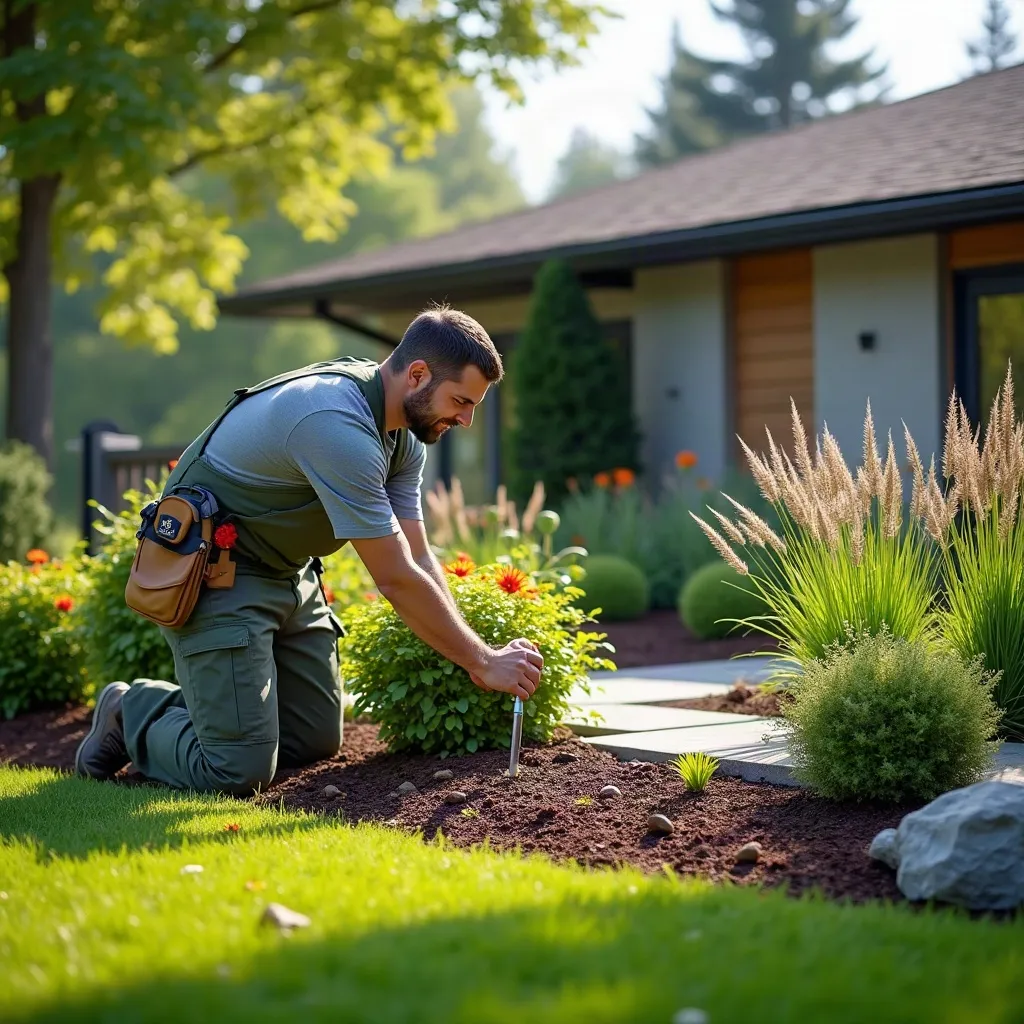
The Rewards of Professional Landscaping Solutions
Professional landscape design solutions convert outdoor spaces into practical and visually attractive environments. These services provide a range of benefits that extend beyond mere appearance. One important benefit is the improvement of property value; expertly crafted outdoor designs can notably increase a home's market appeal. Additionally, professional landscapers have the expertise to choose appropriate plants and materials customized for specific climates and soil types, guaranteeing sustainability and longevity.
In addition, these services can improve outdoor effectiveness, offering spaces for relaxation, entertainment, or outdoor activities. By deliberately arranging layouts, landscaping professionals enhance the use of space while featuring elements like footpaths, paved areas, and gardens.
Furthermore, engaging experts can save homeowners time and effort, alleviating the burden of design and upkeep. This enables individuals to enjoy their exterior areas without the anxiety of ongoing maintenance. Ultimately, expert landscape design create settings that enhance both the beauty and usability of exterior spaces.
Indispensable Characteristics for a Successful Landscape Design
A successful landscape design is defined by multiple important elements that contribute to both functionality and aesthetic beauty. First, a carefully planned layout optimizes space, guaranteeing ease of movement while creating separate zones for leisure and social gatherings. Second, the integration of hardscaping elements, such as pathways, patios, and retaining walls, adds organization and durability to the design. Third, proper drainage systems are critical to prevent water buildup and protect plant health.
Additionally, the application of focal points, like statues or water features, captures the eye and enhances visual appeal. Lighting serves as an important role as well, lighting up walkways and highlighting main landscape elements, thereby extending usability into the night time. Finally, a balanced vegetation choice, which considers seasonal changes, promotes biodiversity and sustains native creatures. Together, these features establish a unified and welcoming garden area that reflects the homeowner's character while meeting functional requirements.
Methods for Choose the Right Plants for Your Landscape
How can homeowners pick the ideal plants for their yards? First, understanding the local climate is required; plants should prosper in the specific temperature and rainfall conditions of the area. Next, analyzing sunlight exposure helps establish whether to choose shade-loving or sun-loving varieties. Soil type also plays a critical role; testing soil pH and texture assures compatibility with selected plants.
Homeowners should review the yard's size and layout, deciding on plants that coordinate with the space without cluttering it. Additionally, selecting region-specific flora can promote local biodiversity while demanding less maintenance.
Finally, taking into account personal tastes—such as hue, texture, and seasonal interest—will help design a visually appealing landscape. A well-thought-out blend of these factors ultimately results in a vibrant and harmonious outdoor space that reflects the homeowner's style while being sustainable and manageable.
Improving Capability Using Hard Landscaping
Hardscaping plays an important role in improving outdoor living spaces by supplying useful areas for leisure and social gathering. It also enables the development of pathways and patios, guiding movement and adding structure to the landscape. Additionally, effective hardscaping can improve drainage and minimize soil degradation, contributing to the overall well-being of the yard.
Elevating External Living Areas
Changing outdoor living spaces significantly enhances their effectiveness, creating inviting areas for relaxation and gatherings. Well-planned hardscaping elements, such as retaining walls, outdoor kitchens, and fire pits, can considerably elevate these spaces. Using durable materials like stone, brick, or pavers allows homeowners to achieve a pleasing design that harmonizes with nature while offering practical benefits. These features not only set areas for social gatherings but also enhance accessibility and organization within the outdoor environment. Furthermore, strategically placed seating arrangements can encourage conversation and foster a warm ambiance. In the end, a carefully created outdoor living space maximizes enjoyment by blending comfort with utility, making it a crucial part of modern home landscaping.
Building Pathways And Patios
An collection of well-crafted pathways and patios can greatly improve yard usability and visual appeal. These hardscaping elements serve as essential connections between different areas of a yard, offering clear navigation while defining areas for relaxation and entertaining. Patios establish inviting areas for outdoor events, equipped to house furniture and social activities. Pathways, made from materials like stone, brick, or concrete, both guide foot traffic but also contribute to the general design theme of the outdoor area. Incorporating curves and varying widths can add aesthetic appeal, turning the yard more appealing. When expertly installed, walkways and outdoor spaces integrate seamlessly with the natural surroundings, boosting both usefulness and beauty in any outdoor setting.
Improving Water Flow And Soil Degradation
Refining outdoor spaces goes beyond mere aesthetics; it also requires dealing with practical concerns like drainage and erosion. Proper landscaping blends hardscaping elements like retaining walls, gravel pathways, and permeable pavements, which help regulate water flow and decrease soil erosion. By carefully placing these features, homeowners can redirect surplus rainwater away from sensitive areas, shielding both plants and structures.
Additionally, utilizing French drains or swales can substantially improve drainage by routing water to predetermined locations. These solutions not only protect against damage but also boost the overall usefulness and longevity of the landscape. Ultimately, skilled landscaping professionals deliver expertise in applying these hardscaping techniques, guaranteeing a balanced and resilient outdoor environment that withstands the challenges of nature.
Seasonal Upkeep Advice for Your Yard
Effective seasonal care is vital for preserving the visual appeal and condition of any yard. Homeowners should perform specific tasks throughout the calendar to guarantee their outdoor spaces flourish. In early season, the priority should be on cleaning up debris, improving soil structure, and applying fertilizer to stimulate expansion. Seasonal upkeep involves regular watering, adding ground cover, and pruning to foster vigorous growth while reducing illness.
When autumn begins, it's vital to clear debris, prepare garden beds for cold weather, and plant perennials for future seasons. Winter care might require shielding delicate plants using mulch or fabric, maintaining adequate drainage, and assessing hardscapes for frost harm. By implementing these seasonal care practices, individuals can improve their landscapes' durability and visual appeal, building a dynamic outdoor setting throughout the year.
Important Queries to Pose When Hiring a Landscaping Contractor?
When deciding on a landscaping company, what important questions should property owners reflect on to ensure they make a well-informed choice? First, they should ask about the company's experience and skills in the particular type of landscaping desired. Learning about their design philosophy and prior projects can provide helpful insights.
Initially, homeowners should ask about licensing and insurance to verify compliance with local regulations and defense from possible risks. A thorough quotation is vital, so asking for a detailed cost breakdown will help avoid surprise costs.
Examining the timeline for finishing the project and care solutions is also critical, as it affects long-term satisfaction. Additionally, homeowners should explore the types of materials and plants the company utilizes, ensuring they correspond to individual needs and ecological responsibility. Finally, reading reviews and asking for references can deliver confidence about the dependability and excellence of the service.
Typical Questions People Ask Frequently
How Much Does Professional Landscaping Usually Cost?
Professional landscaping expenses typically range from $50 to $150 per hour, depending on the complexity of the project and location. Homeowners should consider extra costs for supplies, design, and regular upkeep when budgeting for landscaping services.
What duration can you plan for when undertaking a landscape design job?
A landscaping assignment spans several weeks or possibly just a few days in timeframe, affected by the range of work, territory size, and design intricacy, with sizable projects taking longer for achievement.
Will Landscaping Increase My Property Value?
Landscaping can greatly increase asset value by enhancing street presence, establishing attractive outdoor environments, and perfecting landscape beauty. Properly cared for planted spaces and strategic design often bring in interested clients, rendering residences in the real estate market.
Which Permits Are Required for Landscaping Endeavors?
Landscaping activities often demand multiple permits, based on local statutes. Common permits comprise those resource for removing trees, adding structural elements, and drainage modifications. Homeowners should consult with local authorities to confirm adherence with zoning laws and environmental guidelines.
In What Way Do Atmospheric Conditions Determine Landscaping Choices?
Climate conditions significantly shape landscaping selections, as rainfall, temperature, and sunlight affect plant choice, soil preparation, and maintenance approaches. Tailoring designs to local climate provides durability, growth, and overall aesthetic appeal in outdoor spaces.
Report this page